Tag: England

  • the wind was rising

    “The wind was rising, so I went to the wood. It lies south of the city, a mile from my home: a narrow, nameless fragment of beechwood, topping a shallow hill. I walked there, following streets to the city’s fringe, and then field-edge paths through hedgerows of hawthorn and hazel.

    “Rooks haggled in the air above the trees. The sky was a bright cold blue, fading to milk at its edges. From a quarter of a mile away, I could hear the noise of the wood in the wind: a soft marine roar. It was the immense compound noise of friction – of leaf fretting on leaf, and branch rubbing on branch.

    “[…] Anyone who lives in a city will know the feeling of having been there too long. The gorge-vision that streets imprint on us, the sense of blockage, the longing for surfaces other than glass, brick, concrete and tarmac. […] I felt a sharp need to leave Cambridge, to reach somewhere remote, where starlight fell clearly, where the wind could blow upon me from its thirty-six directions, and where the evidence of human presence was minimal or absent. Far north or far west; for to my mind this was where wildness survived, if it survived anywhere at all.

    “[In 1990] the American author William Least-Heat Moon described Britain as ‘a tidy garden of a toy realm where there’s almost no real wilderness left and absolutely no memory of it. Where the woods are denatured plantings. The English, the Europeans, are too far from the wild. That’s the difference between them and us.’”

    ~ Robert Macfarlane, opening The Wild Places
  • Master Georgie

    Master Georgie

    To turn the tide of a rainy & dismal afternoon I started reading. Beryl Bainbridge’s elegant eloquence has cheered me up no end… as her characters in this novel might say. This is from Master Georgie:

    “It began to rain before I reached the Washington Hotel. I hadn’t my shawl, but a spot of damp was nothing to me. In winter, when the wind howled up from the river, I huddled in the doorway of the Star Theatre. Once, an actor came by and said I was pretty and why didn’t I come inside to get warm by the Green Room fire. I didn’t go because the rouge on his cheeks made him look more angry than kindly. Besides, I knew he was buttering me, the line of my mouth being too determined for prettiness and my eyes too deeply set, which lends me a melancholy look. Another time, in December, my feet turned quite blue and Mrs O’Gorman had to rub them with goose-fat to restore the circulation. What did I care! I’d freeze stiff for Master Georgie.

    “In summer, my favourite place was on the granite steps at the entrance to the railway station in Lime Street. From there I could see down the slope to where the hotel stood within its square of garden, the red roses bobbing tall in the wind. On clear days, beneath high blue heavens, the humps of the Welsh hills rode the horizon. Now, the grey river met the grey sky, and a low white sun, sliced by the masts of ships, sailed through a splash of scarlet petals.”

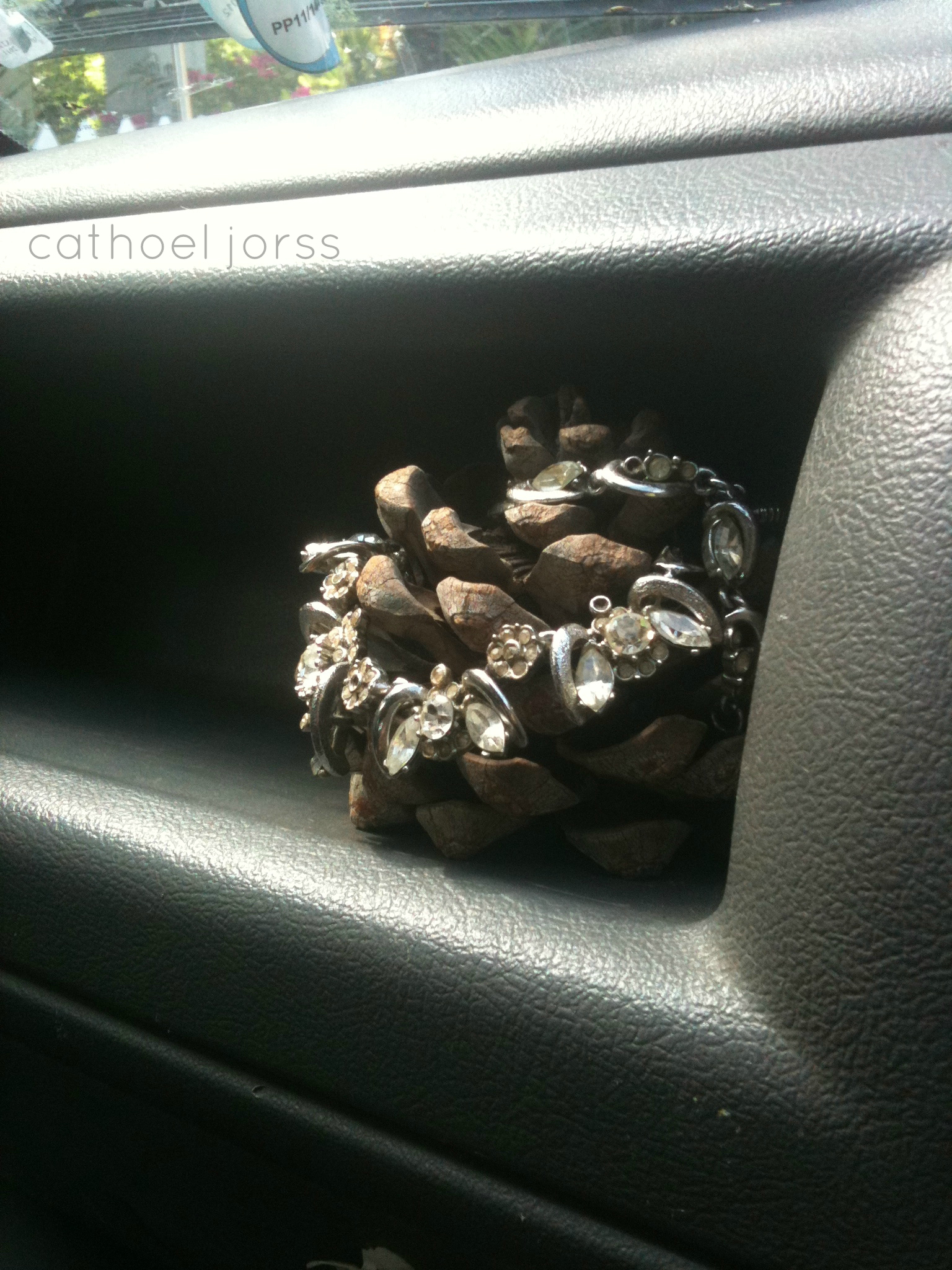
    H2O HoL dashboard pinediamonds

  • a novel filled with good advice

    a novel filled with good advice

    The place I’ve sublet has a shelf of Joanna Trollope novels and I’ve just reread two of them. It’s so interesting learning all the signs she uses to indicate class. In the gentry, rudeness indicates an unwillingness to pander to form, it is authenticity. In factory workers, rudeness betrays a lack of breeding. Horsey women have good-quality possessions which they do not value and treat casually. They do things carelessly, having nothing to prove, dropping tea bags on the floor, “sloshing” milk into mugs and speaking in clipped half-sentences: “Shut up! Bloody dogs. Sit over there, it’s the only comfortable chair. Chuck the cat off.”

    The landed class recognize one another by signs: tea is always “China”, never “India”, perhaps because China eluded colonization by these characters’ forbears and thus like a spirited horse showed independence. To have middling-quality possessions and to take care of them is unmistakeably a sign one is trapped in the worst of all worlds: bourgeois, unimaginative, burgerlich middle class. At least the poor have their realness and dignity. At least the gentry have their self-assurance and intricate codes: ‘”Daddy says,” one ten year old said cheerfully to our main character Liza, surveying a French pronoun exercise almost obliterated in red ink, “that there’s really no hope for me because I’m as utterly thick as him.”‘ Very often Trollope’s plots seem to unravel the marital miseries of a couple ill-suited as to class: in the case of A Passionate Man, a lordly doctor and his timid wife whose appearance is dismissed as “pretty.” She’s not of good enough stock to be either ugly or beautiful.

    In fact the approval of both aristocratic and poorly educated character types in these novels seems to revolve on their ‘realness’ – excusable bluntness in the gentry, forgiveable gaucheness in the “frightful woman” who runs the post office. The middle class, by aping their “superiors” but without access to the insider knowledge that would let them buy the right kind of tea, show themselves to be false.

    The other novel I read yesterday, The Best of Friends, was reviewed (on the cover) by The Observer as “above all a novel filled with good advice.” Like a recipe book.

    H2O HoL goldfish